Proudly serving Phoenix, Glendale, Scottsdale, Tempe, Mesa, Chandler & surrounding areasCall or Text 24/7: 480-245-5233
Aerial drone view of the urban landscape, foothills, and residential sprawl in Phoenix, AZ.

24 Hour Towing and Emergency Roadside Assistance in Surprise, AZ

Phoenix Towing Co. provides 24 hour towing, emergency towing, and roadside assistance throughout Surprise, Arizona. Flatbed, local, and long distance towing cover both unexpected breakdowns and planned vehicle transport. Accident recovery, motorcycle towing, jump start service, and car lockout service give drivers options for a wide range of roadside problems. Dispatch matches the truck and equipment to the vehicle, location, and situation described on the call.

West Valley pavement temperatures regularly climb past 150 degrees in summer, accelerating battery, tire, and cooling-system failures. A disabled vehicle on Bell Road, Grand Avenue, or the Loop 303 can expose drivers to fast traffic and extreme heat. Monsoon dust, standing water, and unfinished shoulders can make recovery more complicated. Phoenix Towing Co. uses local road knowledge and rated towing equipment to plan a safer response.

Surprise grew from 30,848 residents in 2000 to 117,517 in 2010 and 143,148 by the 2020 census, adding traffic across Litchfield Road, Waddell Road, and the Loop 303 corridor. Coverage extends from the Original Town Site to Marley Park, Sierra Montana, Rancho Gabriela, Asante, and surrounding West Valley communities named below.

★ ★ ★ ★ ★4.9/5 Average Rating - 20+ Years of Experience - Surprise Towing Company Specialists - Residential & Commercial
Towing Services

Towing & Roadside Services in Surprise, AZ

Choose service based on vehicle type, roadside conditions, and destination, from on-site help to specialized towing. Coverage includes Surprise and nearby West Valley communities, while regional trips may begin or end in Glendale, AZ .

24 Hour Towing

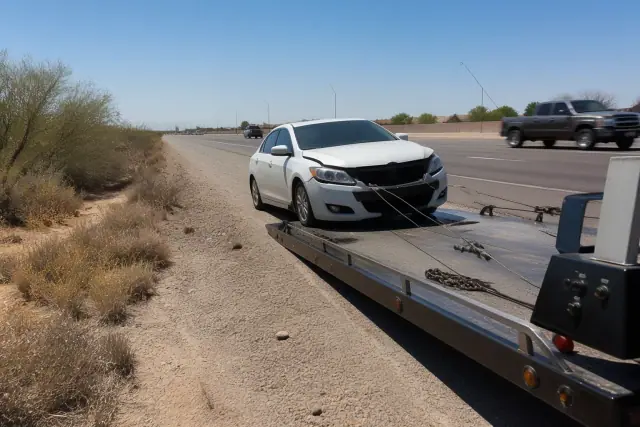
A tow truck with winch cables attached to a disabled vehicle on a highway shoulder in Surprise, AZ.

Available around the clock every day of the year, 24 hour towing covers early-morning calls such as a 2 a.m. breakdown on Cactus Road or Bullard Avenue. Dispatch assigns the nearest available truck suited to the call and provides an estimated arrival window based on current positioning.

Explore Service

Emergency Towing

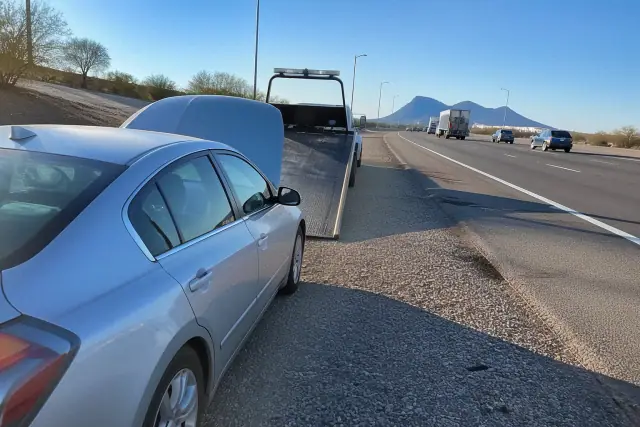
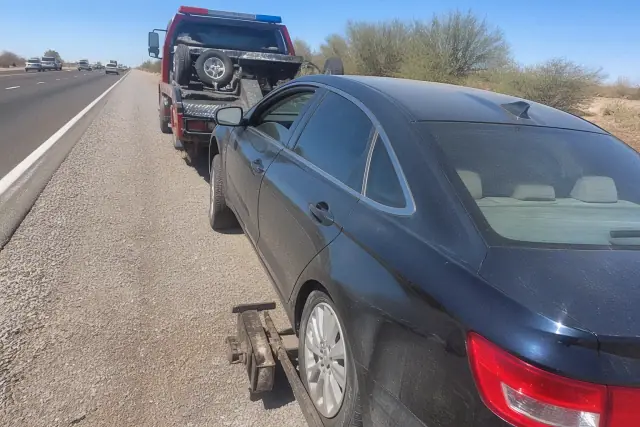
A disabled vehicle parked on the gravel shoulder of a highway in Surprise, AZ, with desert mountains in the background.

Emergency crews carry jump boxes, tire tools, and basic diagnostic equipment so some problems can be resolved roadside. When towing is necessary, the operator loads and secures the vehicle to clear hazardous shoulders on the Loop 303, Grand Avenue, and other busy routes.

Explore Service

Roadside Assistance

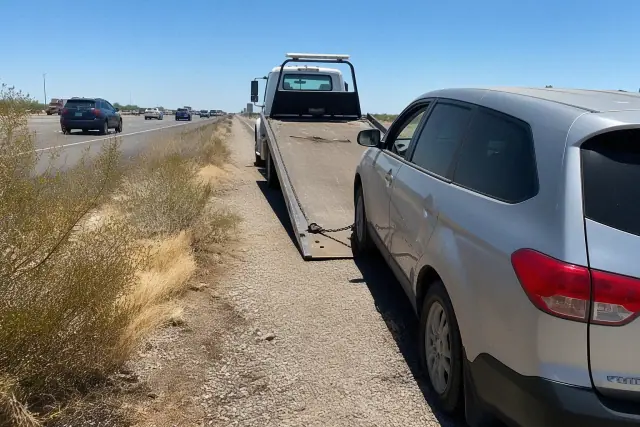
Flatbed tow truck securing a disabled vehicle on a roadside in Surprise, AZ under bright sunlight.

Roadside assistance includes jump starts, car lockouts, tire changes, and minor fuel delivery. On-site service can get the vehicle moving again without the time or cost of a full tow when the problem allows.

Explore Service

Flatbed Towing

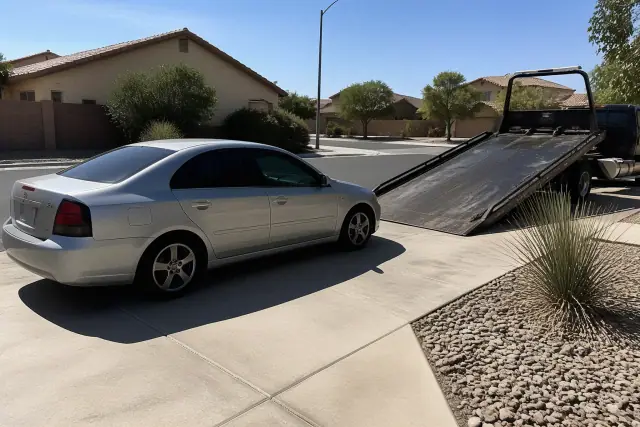
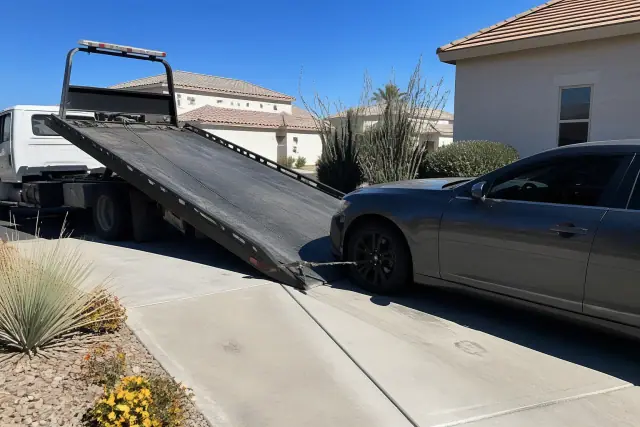
A vehicle on a concrete driveway in Surprise, AZ, ready to be winched onto a flatbed tow truck.

Flatbed towing lifts all four wheels off the pavement, making it a strong choice for all-wheel-drive SUVs and lowered or modified cars. Hydraulic tilt beds and rated tie-down straps help protect drivetrains and low bumpers on local or longer trips.

Local Towing

A tow truck winching a vehicle onto a hydraulic bed in a residential driveway in Surprise, AZ.

Local towing moves sedans, coupes, compact SUVs, and other light-duty vehicles between Surprise neighborhoods, repair shops, dealerships, homes, and storage. Flatbed and wheel-lift equipment is matched to the vehicle and pickup conditions.

Long Distance Towing

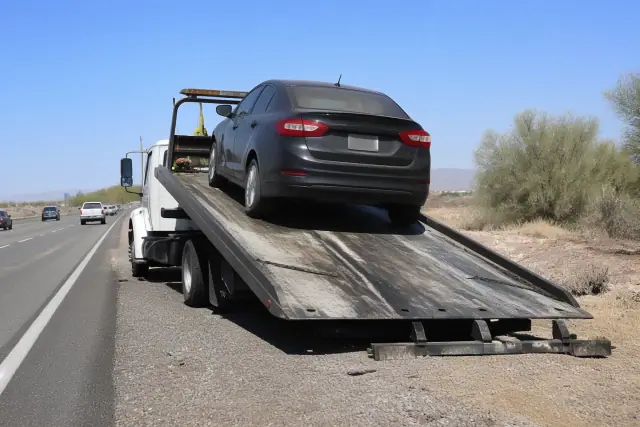
A flatbed tow truck winching a disabled vehicle onto its deck on the side of a highway in Surprise, AZ.

Long distance towing uses flatbed transport and route planning for trips to Tucson, Flagstaff, or out of state. Operators check tie-downs at intervals and plan around desert heat, elevation changes, fuel stops, and rest stops.

Accident Recovery

A disabled vehicle hitched to recovery gear on a gravel shoulder of a road in Surprise, AZ.

Accident recovery begins with an on-scene check for injuries, traffic hazards, and the safest recovery method. The vehicle is then secured for transport to the driver's chosen repair shop, dealership, storage location, or other approved destination.

Motorcycle Towing

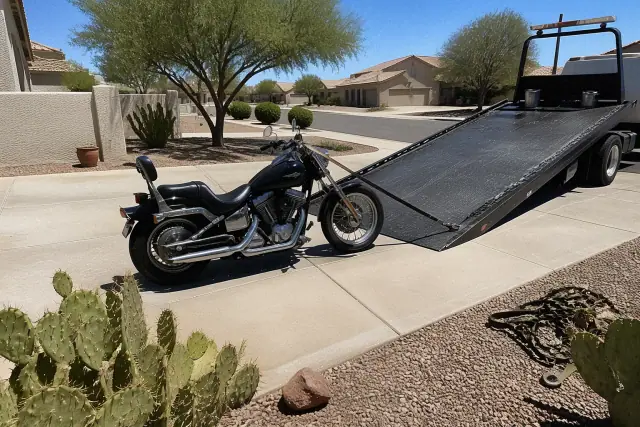
Motorcycle strapped to a tow truck bed on a residential driveway in Surprise, AZ.

Motorcycles travel on flatbeds fitted with wheel chocks and soft-tie restraints designed for two-wheeled vehicles. This setup protects forks, fairings, and paint while stabilizing the bike over gravel shoulders and wet monsoon roads.

Jump Start Service

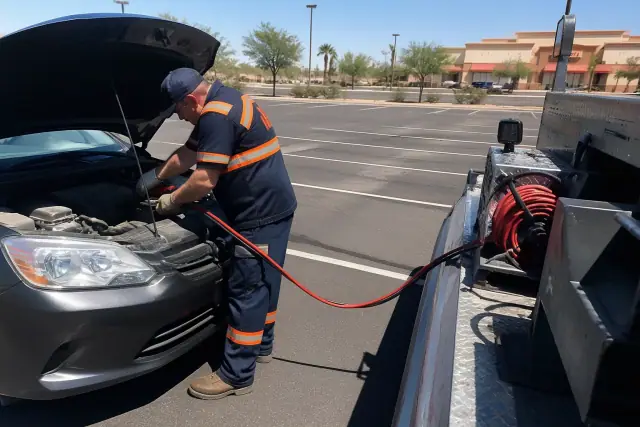
Technician connecting jumper cables to a car with an open hood in a Surprise, AZ parking lot.

Heavy-duty jump boxes can start most passenger vehicles, trucks, and motorcycles without another running vehicle nearby. This is a frequent summer need when extreme heat shortens battery life and causes sudden failures in parking lots.

Car Lockout Service

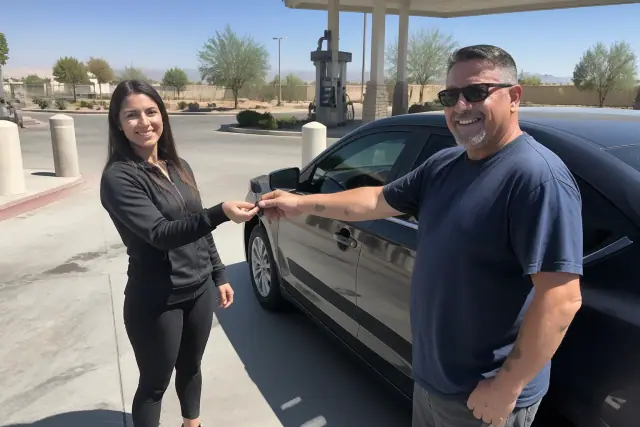
Technician returning keys to a car owner at a service station in Surprise, AZ.

Car lockout technicians use non-destructive entry tools intended to avoid damage to window seals, paint, and interior trim. The service addresses keys locked inside and modern key-fob or push-button-start access problems.

Service Selection

How to Choose the Right Towing Option in Surprise

The best response depends on vehicle class, road position, damage, and whether the problem can be fixed on-site. Sharing the destination and any access hazards helps dispatch choose appropriate equipment before the truck arrives.

Vehicle Class and Weight

Sedans and compact SUVs usually need light-duty equipment, while cargo vans, box trucks, dually pickups, and RVs require equipment rated for higher gross vehicle weights. Dispatch should match the flatbed or wheel-lift setup to the load rather than treating every tow the same.

Flatbed or Wheel-Lift Setup

Flatbeds keep all four wheels off the road and suit all-wheel-drive, lowered, modified, classic, and specialty vehicles. Wheel-lift equipment can provide a practical light-duty option when the vehicle and road position allow it.

Roadside Hazards and Access

Fast traffic, standing water, gravel shoulders, shifting sand, and narrow HOA-regulated streets all affect truck positioning. Telling dispatch about these conditions helps the operator approach and recover the vehicle more safely.

Destination and Distance

A nearby repair shop requires a different plan than transport to Tucson, Flagstaff, or out of state. Longer routes call for secure flatbed transport, planned stops, and tie-down checks along the way.

Roadside Resolution First

A dead battery, lockout, flat tire, or minor fuel shortage may be resolved where the vehicle sits. Sending the right roadside tools can avoid a full tow when conditions are safe.

Clear Charges Before Dispatch

Vehicle class, mileage, after-hours dispatch, and recovery complexity can affect price. A clear estimate should explain expected charges before the truck leaves the yard.

Surprise Roadside Risks

Common Reasons Drivers Need Towing

Extreme heat, heavy traffic, monsoon weather, and rapid construction create different recovery challenges across Surprise. Recognizing the cause helps dispatch decide whether to send roadside tools, a flatbed, a wheel-lift truck, or heavier equipment.

Request Towing Help

Heat-Related Battery Failure

Summer heat can shorten battery life years before its rated lifespan, while cooler overnight swings can stress terminals and rubber components. Dead batteries are especially common in parking lots near Surprise Marketplace and Surprise Stadium.

Tire Blowouts on Hot Pavement

Prolonged sun exposure degrades tire rubber and can contribute to blowouts on Bell Road, Waddell Road, and other wide arterials. A flatbed may be needed when the tire, wheel, or suspension cannot safely roll.

Cooling-System Breakdowns

Sustained desert heat puts extra pressure on cooling systems and can leave a vehicle disabled with little warning. Moving the vehicle off a busy shoulder quickly reduces exposure for the stranded driver and passing traffic.

Monsoon Dust and Flooding

From June through September, sudden dust storms can cut visibility while flash flooding leaves standing water in low-lying washes. Collisions and stalled engines on Cactus Road, Reems Road, and other West Valley routes may require prompt recovery.

Collision and Recovery Hazards

Grand Avenue's diagonal alignment and mix of local and highway traffic create complex accident scenes, especially near the Loop 303 interchange. Operators assess injuries, traffic hazards, and vehicle position before choosing a recovery method.

Gravel Shoulders and Construction

Newer developments west of Litchfield Road can have unfinished shoulders, construction equipment, shifting sand, and loose gravel nearby. Dust and grit can also affect brakes and suspension, so some recoveries require more than a simple hookup.

Why Choose Us

Why Surprise Drivers Choose Phoenix Towing Co.

The company built its dispatch and equipment around local breakdown patterns, from high-speed shoulders to narrow HOA-regulated streets. Operators combine vehicle-specific securement with road knowledge, regulatory awareness, and clear communication throughout the call.

Local Road Knowledge

Local experience helps operators account for roads that flood during monsoons, cell coverage gaps near the outer Loop 303, and speed bumps in Marley Park. Those details affect route choice, truck positioning, and response time.

Licensed, Rules-Aware Operators

Operators follow Arizona Department of Transportation motor carrier requirements and consumer-protection procedures that affect notifications, invoices, and storage. That attention helps drivers understand how the tow is handled and what paperwork to expect.

Clear Dispatch Communication

Dispatch provides an estimated arrival window and keeps the driver informed throughout the call. If police arrive, the drop-off changes, or an insurance adjuster needs the vehicle left in place, the plan can be updated without added confusion.

Simple Process

Our Towing Process in Surprise

From the first call through payment, the process focuses on matching equipment, explaining the plan, and keeping the driver informed. Conditions can change during a breakdown, so dispatch and the operator adjust when police arrive, a destination changes, or an insurance adjuster must inspect the vehicle.

01.

Call and Location Details

Tell dispatch where the vehicle is, what type of vehicle you have, and what happened. Access details, traffic hazards, and your intended destination help shape the initial plan.

02.

Match the Available Truck

Dispatch assigns the nearest available truck matched to the vehicle and situation. An estimated arrival window is based on current truck positioning in Surprise.

03.

Assess the Scene

The operator checks for injuries, passing-traffic hazards, standing water, unstable shoulders, and the safest recovery angle. This assessment determines whether roadside service or towing is appropriate.

04.

Secure the Vehicle

Rated tie-downs, wheel straps, wheel chocks, soft ties, or wheel-lift equipment are selected for the vehicle. Securement is checked before the truck begins moving.

05.

Tow or Resolve On-Site

The operator transports the vehicle to the chosen home, repair shop, dealership, or storage location. Jump starts and lockouts may instead be completed where the vehicle is parked.

06.

Review Charges and Payment

Expected charges are explained before work begins, then paperwork and payment are handled on-site. Dispatch can update instructions if the destination or insurance plan changes.

Service Outcomes

Practical Outcomes for Surprise Drivers

Case Study 1: On-Site Resolution: Jump starts, lockout service, tire changes, and minor fuel delivery can solve some breakdowns without a tow.

Case Study 2: Vehicle-Matched Transport: Flatbeds, wheel-lifts, wheel chocks, soft ties, and rated straps are selected around the vehicle class and condition.

Case Study 3: Clear Destination Planning: Drivers can choose a home, repair shop, dealership, or storage destination, with dispatch adapting if the plan changes.

Towing Help

Request Towing
Help in
Surprise

Tell dispatch where the vehicle is, what you are driving, and what happened. Phoenix Towing Co. can determine whether roadside assistance or towing equipment fits the situation and explain expected charges before dispatch.

Surprise Towing Help

FAQs About Towing in Surprise, AZ

These answers cover pricing, Arizona towing rules, roadside safety, equipment choices, and service coverage. Call when a vehicle is creating a roadside hazard or when dispatch needs more detail to match the right truck.

Call Our Towing Team

Arizona towing rules include motor carrier requirements, consumer-protection disclosures, and procedures for non-consensual towing and storage liens. Operators should provide clear invoices and follow required notification procedures, while private-property cases can also involve law-enforcement notification.

It is usually best to stay with the vehicle until the truck arrives, especially on a shoulder or in limited visibility. If you must leave, confirm the estimated arrival with dispatch and explain how the operator can access the vehicle or keys. Move away from traffic when staying with the vehicle would be unsafe.

The 80/20 rule is a general weight-distribution guideline rather than a formal towing law. It describes the tow vehicle's weight as roughly 80 percent relative to the towed load to support handling and braking. Similar balance principles matter when operators position heavier vehicles and motorcycles on towing equipment.

Arizona private-property towing generally requires visible signage before a non-consensual tow and notification to local law enforcement shortly afterward. Vehicle owners should receive an itemized invoice for towing and storage charges and have a way to reclaim the vehicle promptly.

Local towing typically runs roughly $75 to $150 depending on vehicle type and distance. Long distance towing often ranges from $2.50 to $7 per loaded mile depending on the vehicle class and route. After-hours dispatch, vehicle weight, and accident-recovery complexity can also affect the estimate.

Provide your exact location, vehicle type, current problem, road or parking conditions, and preferred destination. Mention injuries, traffic exposure, standing water, gravel, low clearance, or other access concerns so dispatch can match the truck and equipment.

Flatbeds are well suited to all-wheel-drive SUVs, lowered or modified cars, classic vehicles, specialty cars, and many damaged vehicles. Keeping all four wheels off the pavement avoids drivetrain wear and reduces the chance of scraping a low front bumper.

Yes, some calls can be resolved with a jump start, car lockout service, tire change, or minor fuel delivery. The operator assesses the problem and roadside conditions before deciding whether on-site service is safe and practical.

Motorcycles are moved on flatbeds fitted with wheel chocks and soft-tie restraints for two-wheeled vehicles. The setup stabilizes the motorcycle while protecting the forks, fairings, paint, and other finished surfaces.

The service covers larger pickups, dually trucks, RVs, cargo vans, box trucks, and work trucks when suitable rated equipment is available. Dispatch assesses gross vehicle weight, cargo distribution, and recovery conditions before choosing the flatbed or wheel-lift configuration.

Long distance towing uses secure flatbed transport and route planning for trips such as Tucson, Flagstaff, or out of state. Operators check tie-downs at intervals and account for desert heat, elevation changes, fuel stops, and rest stops.

From June through September, dust storms can reduce visibility and flash flooding can leave standing water in low-lying washes. Those conditions contribute to collisions and stalled engines, especially on routes such as Cactus Road and Reems Road.

Extreme summer heat accelerates battery wear and can cause sudden failures before the expected rated lifespan. Jump starts are especially common in exposed parking lots where a vehicle sits through peak daytime temperatures.

Coverage includes the Original Town Site, Marley Park, Sierra Montana, Rancho Gabriela, Asante, and areas around Surprise Stadium and Surprise Community Park. Service also extends to El Mirage, Sun City, Sun City West, Sun City Grand, Youngtown, Waddell, and parts of Peoria.

The operator first checks for injuries, traffic hazards, vehicle position, and the safest recovery method. Appropriate straps, wheel-lift equipment, or a flatbed are then used to secure the vehicle for transport to the driver's chosen repair shop, dealership, storage location, or other approved destination.